Size: 6 to 10 inches
Weight: 12 to 30 gram
Wing Span: varying
Lifespan: 9 to 12 years
Physique: Small body structure, mostly with elongated tails, long wings covering body.
Best Suited for: varying environments.
Temperament: Interactive, playful, active, talkative, social, outgoing and many other traits
Comparable Breeds: Purple Finch, Yellow Finch
Finch birds are sub-categorized into several breeds like the Gouldian, Zebra, Society and American Golden finches etc. There are many characteristics and features of the finch birds that are common while many others are diverse. In this article, we explore the finch birds and bring a comprehensive review for the readers to enjoy!
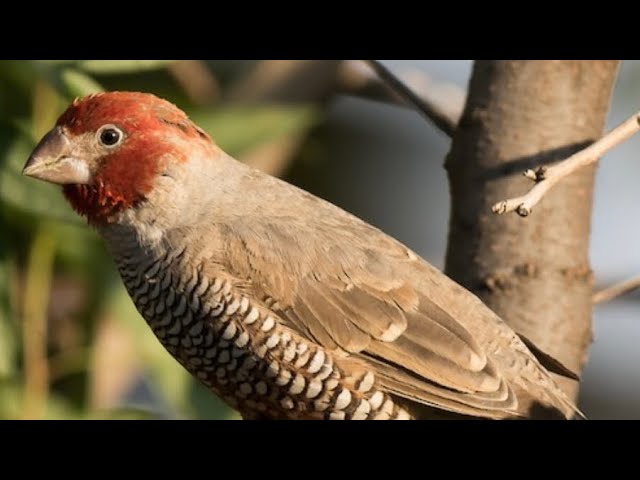
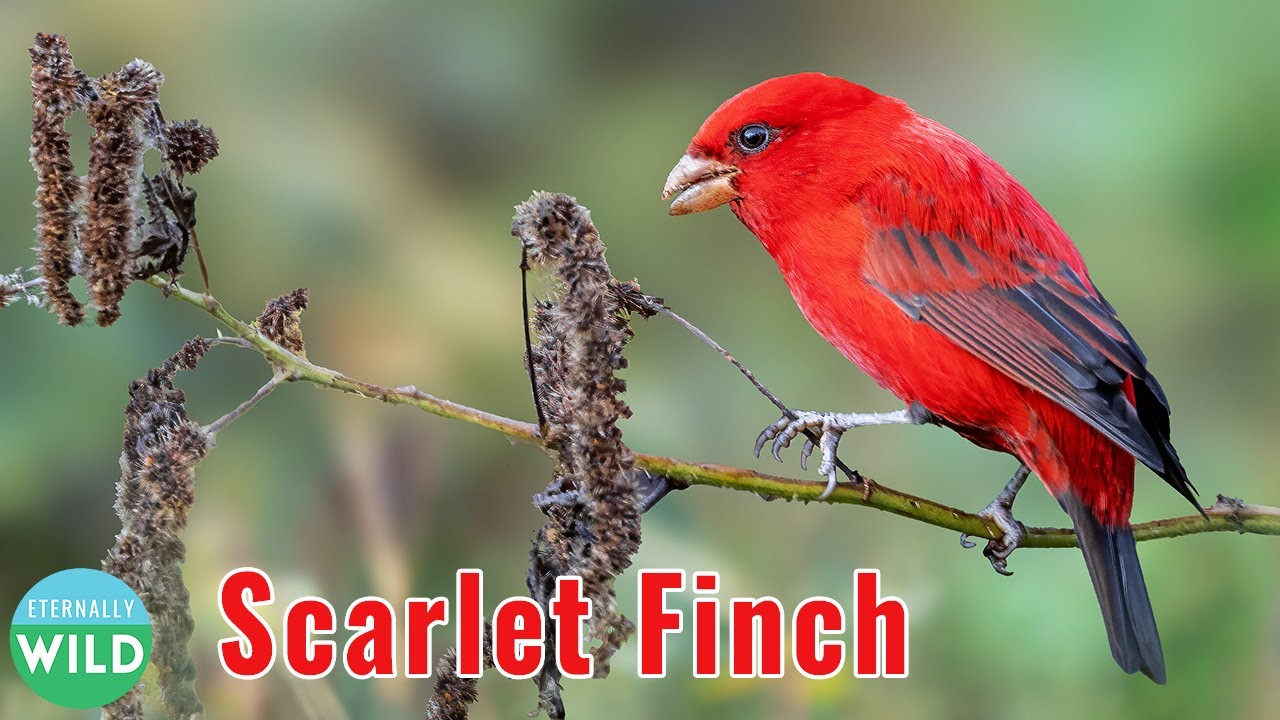
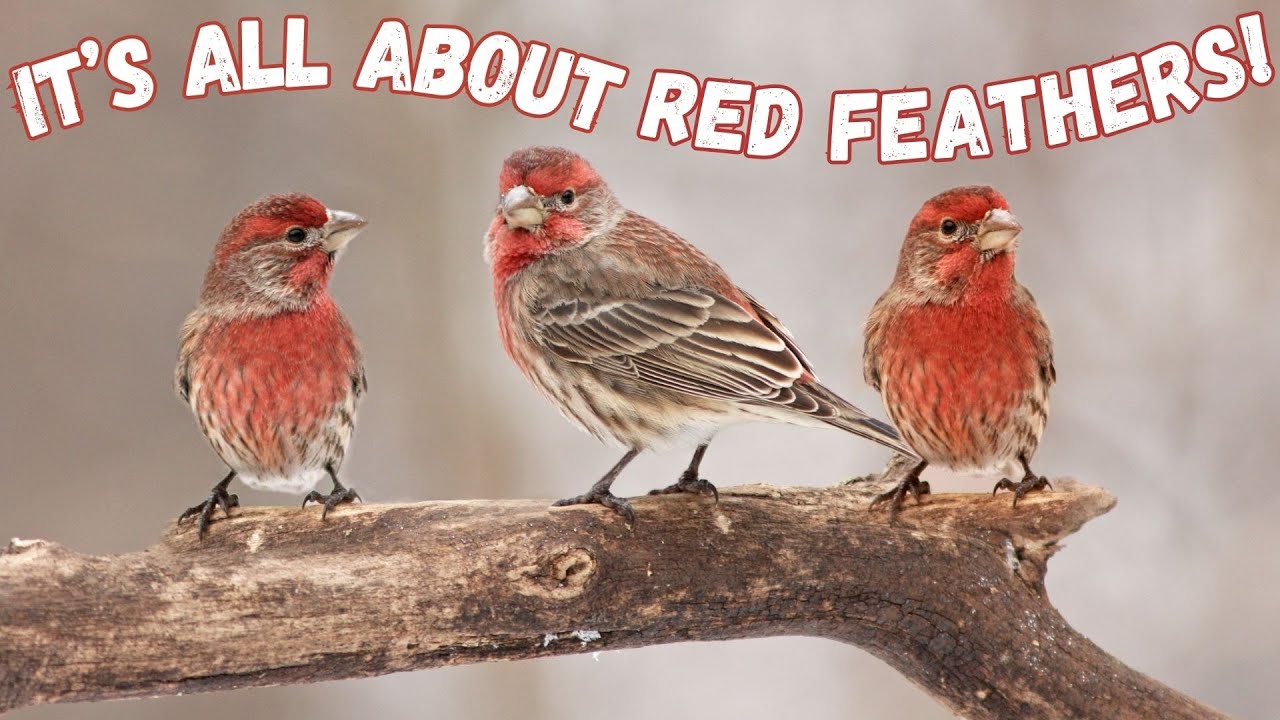
Finches are small little birds that belong to the family ‘Fringillidae’. These birds are sub-categorized into different breeds while the most popular breeds of finches are Gouldian, Society and Zebra. These birds originate from different regions of the world; North America, Africa and rain forests of Arizona. These birds have the most enticing and attractive colorful bodies.
As the name is a clear indication, the African grey parrots are birds that are found in Africa. These birds have a very interesting personality as they can live happily both on their own and in large flocks as well. These birds are referred to as being the ‘Einstein’ of birds because of their intelligence level. Generally, there are two subcategories of African grey parrots. These include the Congo African birds and Timneh African grey parrots
The red finch grows up to be an independent adult but as a baby they are highly dependent on others. This is why they get used to living in large flocks because since a young age they fear isolation.
The baby finch is a happy bird. It plays with its fellow and is very comfortable in its own little space. It does find it hard to adapt to environmental or habitat changes. This is why keeping a baby red finch as a bird is highly discouraged
Health is a sensitive matter for the red finches. They have a very weak immune system and tend to fall sick very easily. There are a few health concerns that are most commonly reported for these birds.
Red finches develop calcium deficiency if they are on a poor diet. They are also prone to developing a fungal infection called Aspergillios.
Read Our Article:: Purple Finch Bird
These birds are very small in size. Thus it appears like it is very hard for these birds to have a life more than 3 or 4 years. Surprisingly, that is not the case since these birds have a lifespan up to 10 or 11 years.
It is best not to be fooled by the petite physical appearance of these birds. The red finches have a very hearty and wholesome diet. These birds are little powerhouses of energy and thus, they need a healthy diet to function on daily basis.
Red finches are social and interactive birds. This is why they tend to be very good pets and get along with children as well because of its playful nature.
The Red finches are also not very huge in size. This definitely makes it safe for children to be around these birds.
These are extremely social and extrovert natured birds. Hence, you will find them living very happily with their mates. Naturally, these birds are programmed to live in large flocks and they get along very well with their fellows.
As far as training the red finch is concerned, it is not very difficult to train this bird as it is very intelligent. However, it has many skills in it that are natural and does not need to be trained for.
It is a natural talker. It talks and sings and learns through observing its surroundings. Hence, you won’t need to train it to speak.
Secondly, the red finch is a very social bird that prefers to live in the open close to nature. Thus, it will need a little training to get adapted to its new homely environment
The Red Finches are very interactive and vocal birds. They prefer to sing since they live mostly in large flocks with other mates. It is common to hear the singing voice of these little beauties in natural habitats.
However, as pets these are not the silent type at all. In fact, once you bring them into your home they will make it a habit to talk as much as they can throughout the day.
Red Finches are not known to be very aggressive. However, since they are adapted to live in groups they can be a little protective of their other mates. Their natural protective instincts can make them appear to be a little aggressive at times.
Rarely aggressive but whenever they are; red finches prefer to use their beaks to express their anger. These little fellows can bite a lot if they are displeased with something around them